Tax Software


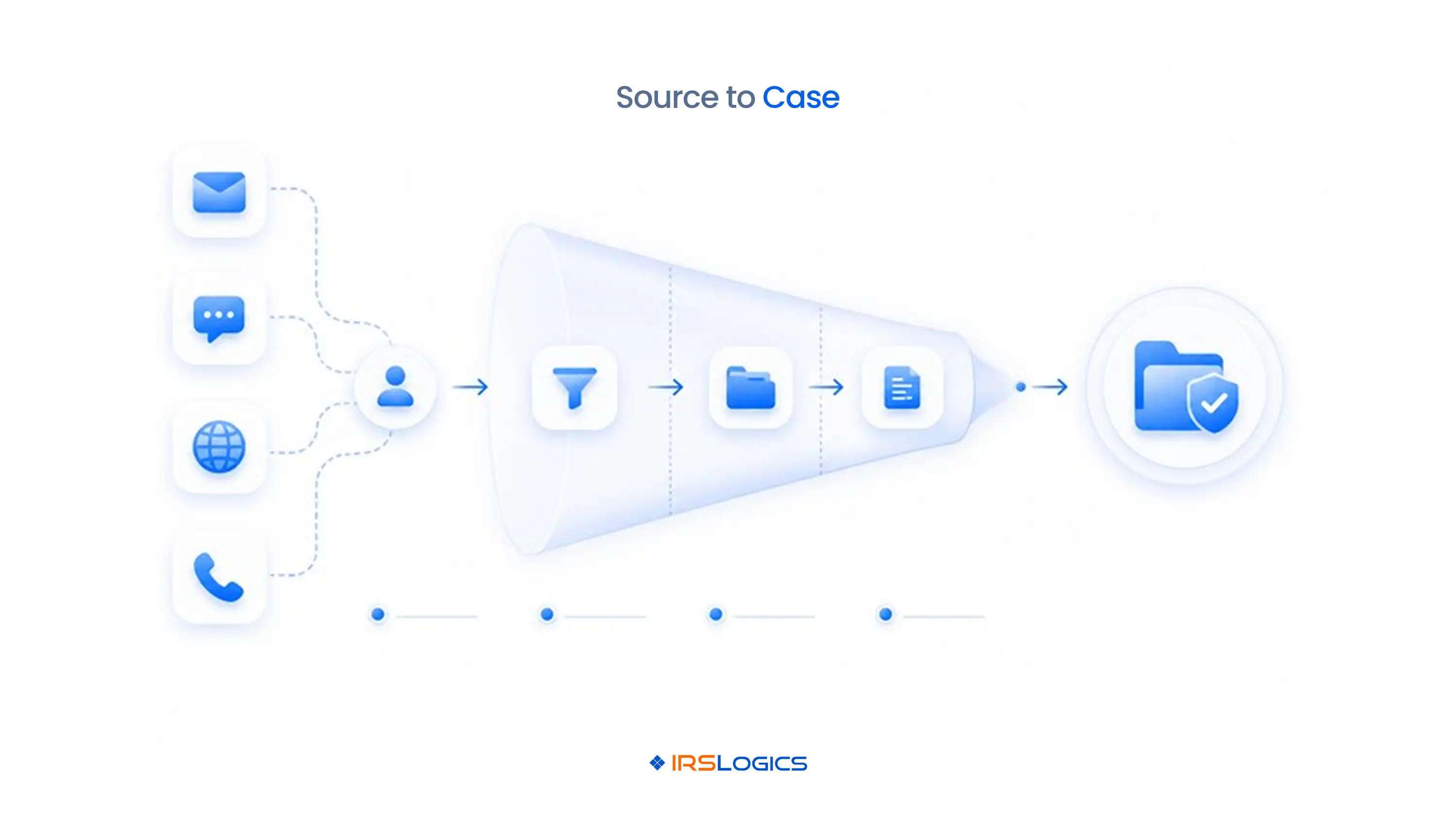
Many firms do not have only a lead-volume problem. They have a follow-up problem wearing a lead problem’s clothes. Effective tax resolution marketing connects the promise in an ad or referral to source tracking, fast human review, ethical qualification, consent-aware follow-up, consultation, engagement, and case intake. More inquiries will not repair a broken handoff. The first operational goal is to make every legitimate inquiry visible, owned, and measurable without using taxpayer information or automation in ways the firm has not approved.
A tax resolution marketing system is the complete path from first contact to an accepted case. It includes channel, message, landing page, source capture, ownership, qualification, communication, consultation, engagement, payment, and intake. Treating marketing as ad buying alone hides the operational losses that occur after an inquiry arrives.
Every lead record should answer five questions: where did the inquiry originate, what problem did the person describe, who owns the next action, what communication permissions exist, and what happened next. The record should preserve source parameters or referral details without forcing staff to rely on memory. It should also separate marketing status from active client and case status.
The strongest idea remains true: a follow-up failure can look like a lead shortage. This refresh keeps that lens but removes unsupported universal timing claims. The goal is not to contact everyone through every channel. It is to respond according to urgency, staffing, consent, and an approved workflow.
Channels work differently because prospects enter with different urgency and trust. Match the offer and response path to the person’s stage. A search for a specific IRS notice may indicate an immediate problem. A referral brings transferred trust. Educational content may reach someone before they are ready to speak. Re-engagement reaches a prior inquiry whose situation may have changed.
Do not compare channels by lead count alone. A smaller source can produce more suitable matters, faster engagement, or lower intake burden.
Qualification should determine fit, authority to speak, urgency, and the proper next step. It should not decide the taxpayer’s final IRS outcome during a sales call. Keep the initial screen short and route substantive tax analysis to a qualified practitioner.
Useful intake questions include:
Ask only what is needed for routing and conflict review at this stage. Do not collect full financial statements through an ordinary marketing form. Once the firm accepts the prospect for a deeper consultation, move sensitive information into the approved intake and document process.
Marketing should describe process and fit without guaranteeing settlement, timing, acceptance, or a specific reduction. A firm cannot know the IRS result before it reviews the taxpayer’s facts, compliance, collection position, and available procedures. The IRS itself says an Offer in Compromise depends on unique facts and circumstances and makes the final decision.
Circular 230 applies to practitioner advertising and solicitation. The IRS explains that section 10.30 prohibits false, fraudulent, coercive, misleading, or deceptive claims. That makes phrases such as “guaranteed forgiveness,” “IRS-approved firm,” or an assured settlement percentage especially risky unless a narrow, precise, and supportable claim exists.
Use accurate alternatives: “We evaluate available collection options,” “A practitioner reviews your notices and account information,” or “Eligibility depends on IRS rules and your facts.” Avoid false urgency, invented scarcity, undisclosed testimonials, selective outcome examples without context, and statements that software or a salesperson has already determined the taxpayer’s result.
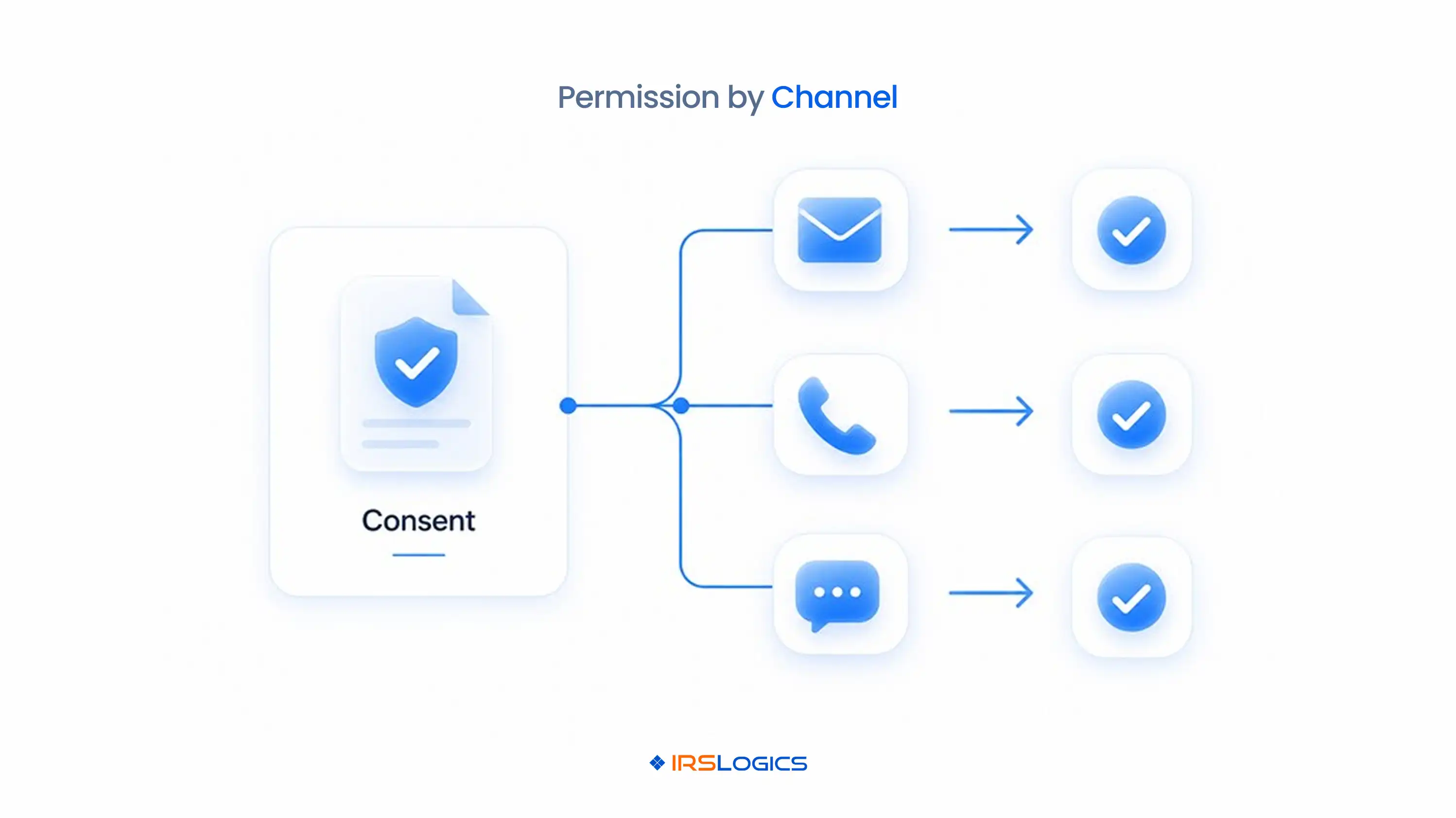
Consent and data rules should be designed before automation is turned on. A form submission does not create unlimited permission to email, call, text, enrich, or repurpose tax information. The exact requirements depend on the channel, technology, relationship, jurisdiction, and data source, so counsel should review the workflow.
For commercial email, the FTC’s CAN-SPAM compliance guide addresses accurate headers and subjects, advertising identification, a valid postal address, opt-out instructions, and honoring opt-outs. For automated calls and texts, the FCC explains that the TCPA restricts robocalls and robotexts without required consent. Maintain the source, language, timestamp, scope, and revocation status for any consent the firm relies on.
Tax information needs separate attention. The IRS section 7216 information center explains rules on disclosure and use of tax return information by preparers. Do not upload return-derived audiences, build solicitation lists, or use client tax data for cross-selling until the firm has confirmed a lawful basis and required consent.
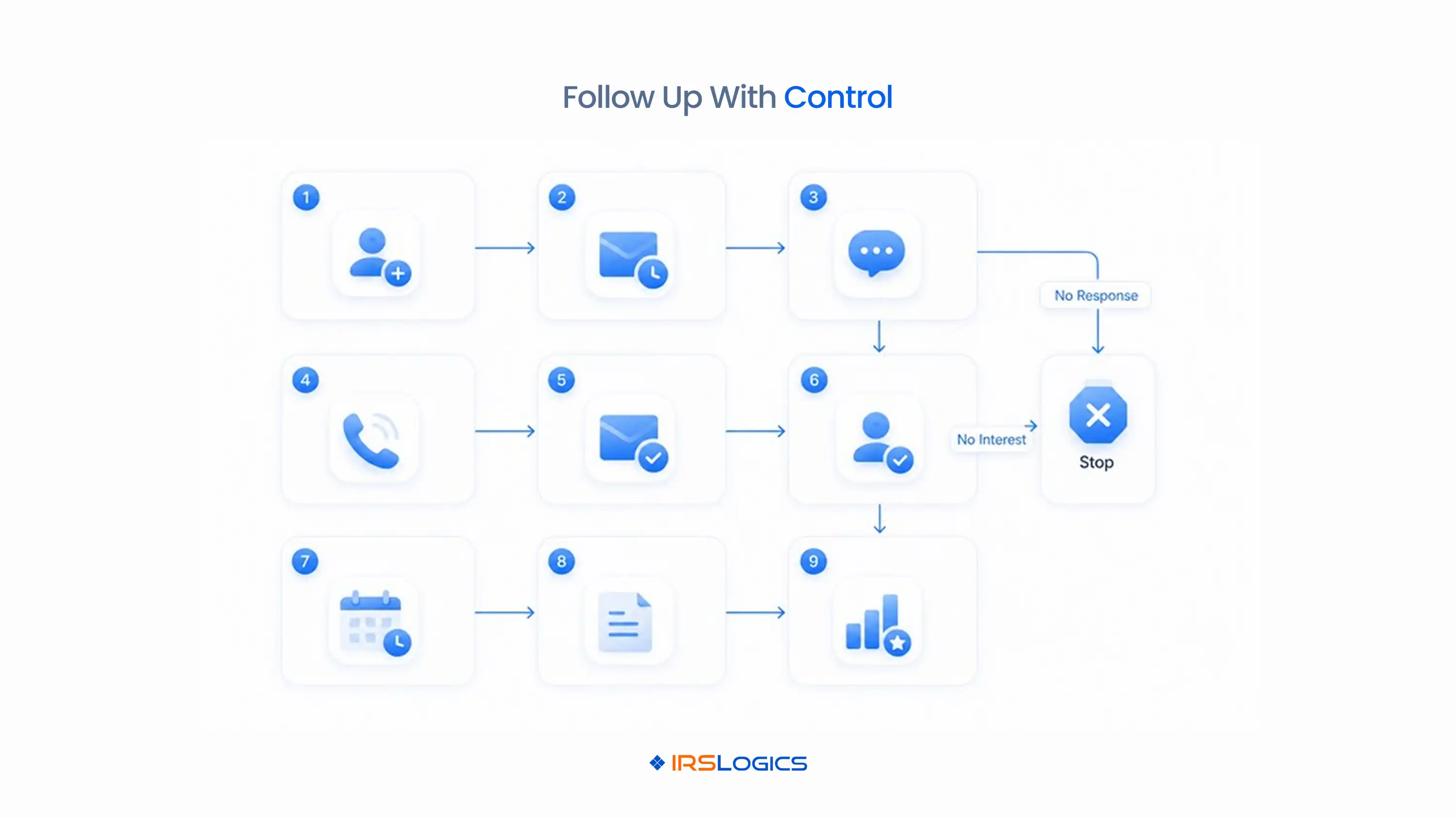
A good workflow creates prompt ownership, controlled persistence, and a clean stop. Every new inquiry should receive a status, owner, due time, approved contact path, and next action. Automation can create and route work, but it should not send sensitive or aggressive messages without governance.
Use this sequence:
This structure prevents abandoned leads and uncontrolled contact at the same time.
Measure the funnel by source and cohort, not with one blended conversion rate. The core question is which sources produce suitable, engaged cases after operational cost and intake effort. Use consistent definitions so staff do not count a form fill, booked call, held consultation, and signed client as the same event.
Track:
Avoid treating staff estimates as system data. Define the event that changes each stage and require a reason when a lead leaves the funnel. That reveals whether the weakness is channel quality, slow ownership, poor qualification, consultation availability, pricing, engagement friction, or incomplete intake.
IRSLogics connects lead management to client and case operations. The platform can serve as the operational handoff from inquiry and deal stages into a resolution matter. Its published resolution CRM features include lead, client, workflow, communication, document, billing, and reporting functions alongside resolution-specific case tools.
That connection matters because marketing promises create delivery obligations. If a prospect mentions a notice deadline, the information should reach intake. If a consultation identifies missing returns or active collection, the case team should receive the verified facts. If the person signs and pays, the sales record should not remain disconnected from authorization, transcripts, forms, and case tasks.
Use the lead-to-client workflow article to map the handoff, then compare the required users and features on the IRSLogics pricing page. For firms ready to evaluate the system, the primary next step is a demo using one real marketing-to-intake scenario.
Tax resolution marketing is the system that attracts suitable prospects, captures source and permission, qualifies service fit, manages follow-up, converts engagements, and hands verified information into case intake.
Common channels include paid search, organic search, professional referrals, existing relationships, educational content, direct response, email, calls, and texts, each with different cost, intent, and compliance controls.
Confirm taxpayer or business type, agency, notice, periods, filing issues, active deadlines, existing representation, requested help, decision participants, and fit with the firm’s services.
Set an internal response standard based on urgency, hours, staffing, and requested channel, then measure actual response time. Do not publish an unsupported universal rule as a guarantee.
No firm should promise a particular IRS outcome before a qualified review. Marketing should explain process and eligibility factors without guaranteeing acceptance, timing, or settlement amount.
Commercial email can be subject to CAN-SPAM requirements, including accurate routing information, non-deceptive subjects, required disclosures, a postal address, opt-out instructions, and timely suppression.
No blanket rule should be assumed. Texting requirements depend on consent, technology, message purpose, relationship, jurisdiction, and revocation status, so the firm should obtain channel-specific legal guidance.
It should track source, consent, owner, status, qualification, contact attempts, appointments, engagement, payment, disqualification reason, and the handoff into client and case intake.
Start by mapping one lead from source to opened case. Define who owns each stage, the event that advances it, the approved message, the consent record, the stop condition, and the information that enters case intake. Then test the workflow with referrals, paid inquiries, organic leads, no-shows, and opt-outs.
When those controls are visible, marketing performance becomes easier to diagnose. You can see whether the problem is source quality, response ownership, qualification, consultation capacity, engagement friction, or intake. That is a better basis for growth than buying more leads into an unmeasured pipeline.
All
Tax Software
Workflow & Automation
Industry News
Resolution Tips
Tax Resolution Marketing

Lorem ipsum dolor sit amet, consectetur adipiscing elit. Suspendisse varius enim in eros elementum tristique. Duis cursus, mi quis viverra ornare, eros dolor interdum nulla, ut commodo diam libero vitae erat. Aenean faucibus nibh et justo cursus id rutrum lorem imperdiet. Nunc ut sem vitae risus tristique posuere.


Share this article directly by email. Simply enter the recipient’s details below.

Article has been send to you.